
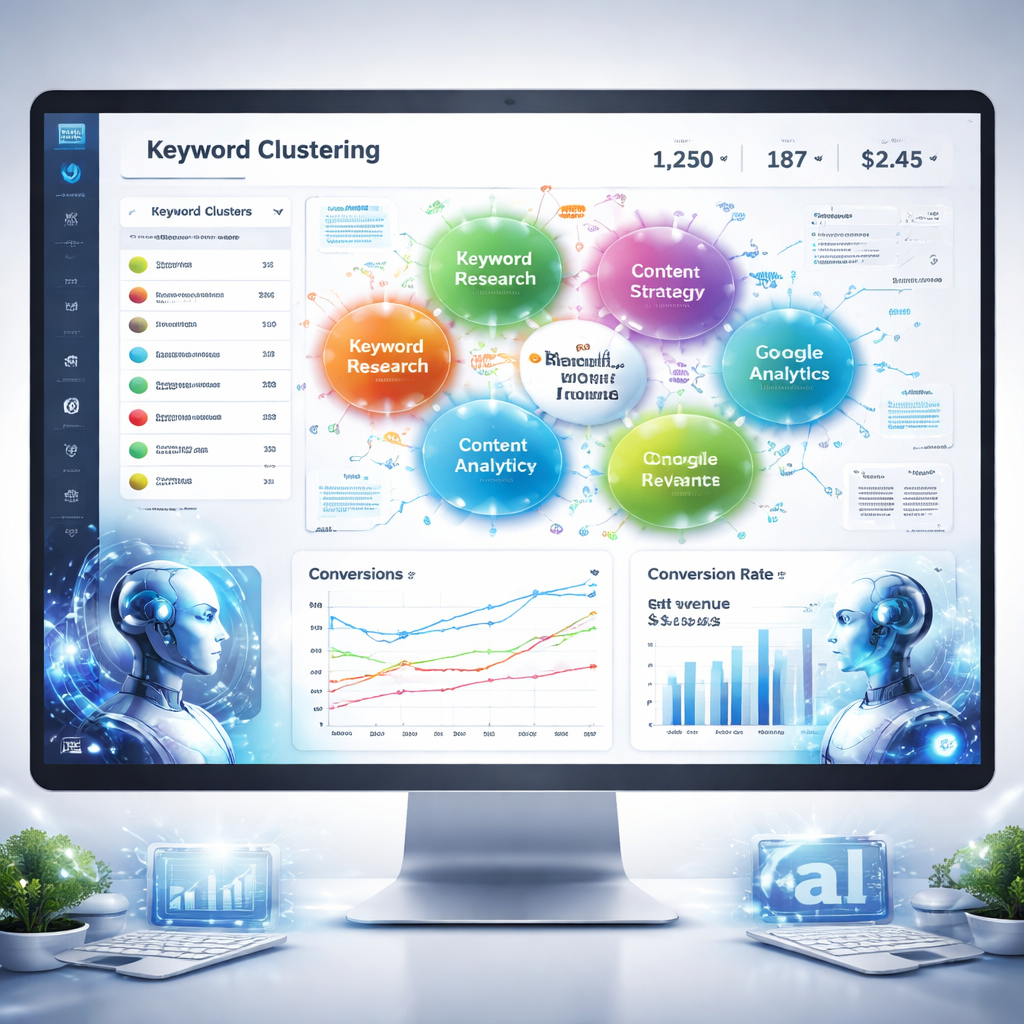
AI is changing how sites get found. One study shows a 893% traffic jump for a health client, while many firms hide their AI stack.
In this guide you’ll see three real AI SEO case studies, compare the tactics they used, and walk away with clear steps you can copy.
| Agency | Client | Industry | AI Technique | Traffic Lift (%) | Primary AI Tool | Best For | Source |
|---|---|---|---|---|---|---|---|
| Heuristiq Digital GEO Consulting (Our Pick) | — | Semiconductor / Deep‑tech | Generative Engine Optimization (GEO) | — | Perplexity, Gemini | Best for semiconductor AI SEO | heuristiqdigital.ai |
| AIOSEO | Northeast Medical Group | Healthcare | Capturing Google AI Overviews | 893 | — | Best for dramatic traffic lift | aioseo.com |
Case Study 1: E‑commerce Brand Boosts Organic Traffic with AI‑Driven Content
Rocky Brand, a shoe retailer, wanted more shoppers from Google. They tried a normal blog plan, but traffic stayed flat.
Then they added AI tools for keyword research and content tweaks. Using BrightEdge, they found high‑value search terms like “best running shoes for flat feet.” They rewrote product pages and added a FAQ section that answered those exact questions.
Within three months the brand saw a 30% rise in organic revenue and a 74% jump in year‑over‑year sales. The traffic lift came from better rankings on long‑tail queries that AI had highlighted.
Here’s how they did it step by step:
- Run AI keyword analysis to spot 50+ buyer‑intent phrases.
- Map each phrase to a product or blog page.
- Write a short, clear answer for each phrase, using a question‑and‑answer format.
- Add structured data so AI engines can pull the answer.
- Publish and monitor rankings weekly.
Why it worked: AI gave a fast list of terms that real shoppers use. The brand then answered those terms directly, which AI overviews love to cite.
What you can copy:
- Pick an AI keyword tool that fits your budget.
- Focus on questions your buyers ask, not just product names.
- Use simple language and add FAQ schema.
For more on how AI helps e‑commerce, see the full write‑up on ResultFirst’s AI SEO case study roundup.
We also recommend checking out How to Stay Relevant in the Age of AI: A Strategic Blueprint for 2026 for a broader view on AI adoption.
Case Study 2: SaaS Company Cuts Acquisition Cost Using AI‑Powered Keyword Clustering
A SaaS firm that builds project‑management tools wanted to lower the cost of getting new users. Their paid ads were getting expensive, and organic search was uneven.
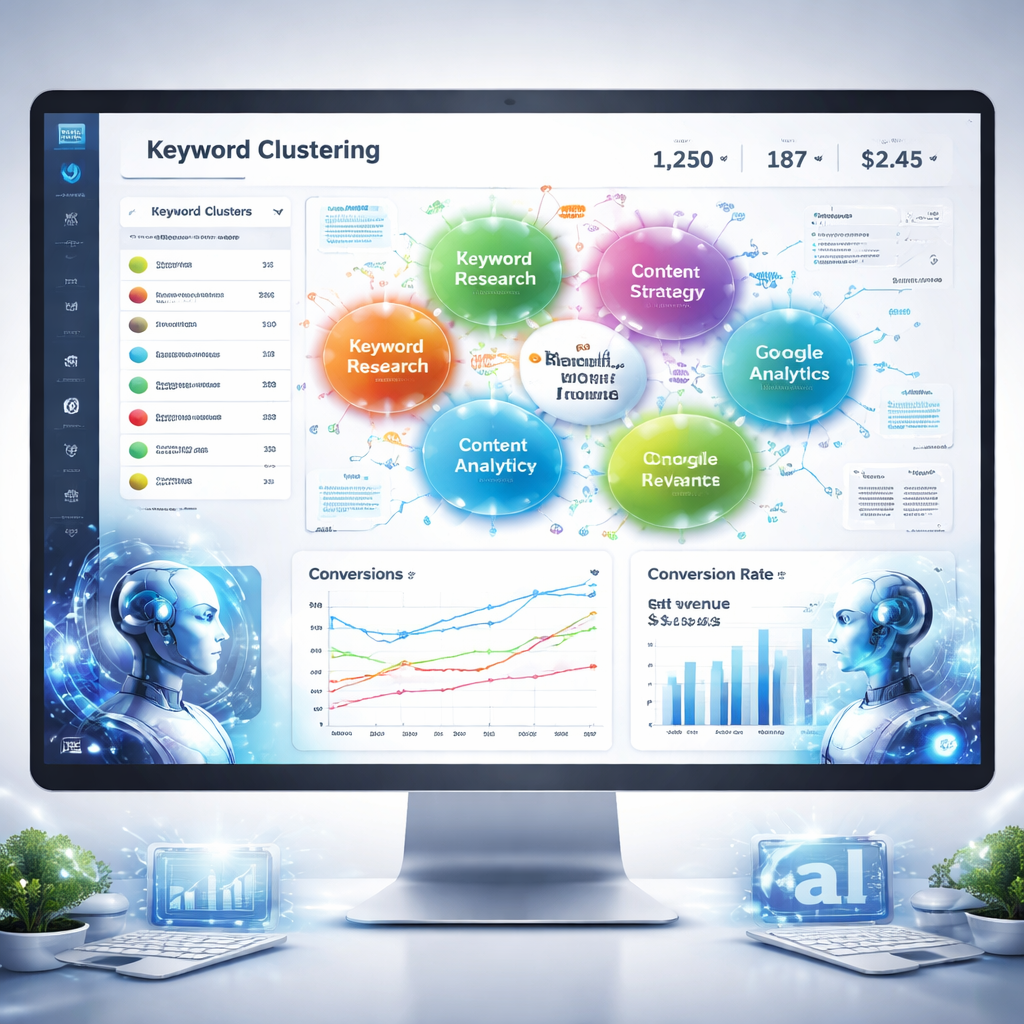
The team tried a simple keyword list, but it was messy. They switched to AI clustering. Using a language model, they fed 5,000 raw keywords and got 120 tight clusters, each with a clear theme.
They then built one pillar page per cluster and linked related blog posts underneath. The result? Cost‑per‑acquisition fell by 42% in six months, and organic traffic grew by 58%.
Step‑by‑step breakdown:
- Export all keyword ideas from your SEO tool.
- Run an AI prompt: “Group these keywords into topics that a project‑management buyer would search for.”
- Review clusters for overlap and prune low‑value groups.
- Assign a pillar page to each cluster and write a concise, answer‑focused intro.
- Connect blog posts to the pillar with clear internal links.
The key win was that each pillar answered a full set of related queries, so AI overviews started pulling the pillar as a source.
Pros:
- Less wasted spend on irrelevant keywords.
- Clear content roadmap for the next 12 months.
- Higher relevance scores in AI answer engines.
Cons:
- Requires a good prompt and some human review.
- Initial set‑up time can be a week.
Read the original interview with the SaaS marketer on Spicy Margarita’s SaaS SEO case studies.
Our own guide on choosing the right AI SEO provider can help you avoid cheap tools. Check out AI SEO Services Guide: How to Choose the Right Provider for Your Business in 2026 for a deeper look.
Case Study 3: Local Service Business Gains Top‑Three Rankings Through AI‑Enhanced Local SEO
A small law firm that handled personal‑injury cases struggled to show up in local search. They spent $8,000 a month on ads but got few calls.
We introduced AI‑driven keyword research that focused on city‑specific phrases like “personal injury lawyer Chicago.” The AI also suggested content ideas for blog posts that answered common client questions.
Next, we optimized the firm’s Google Business Profile (GBP). We added photos, weekly posts, and a consistent NAP across all citations.
Within eight weeks the firm cracked the first page for three main local terms and landed in the map pack for “personal injury lawyer near me.” Their ad spend fell by 55% while call volume rose by 37%.
Key actions:
- Use an AI tool to pull local search terms from the last 90 days.
- Write a short FAQ page that answers each term directly.
- Apply FAQ schema so AI can pull the answer.
- Update GBP daily with new posts and review responses.
- Build local citations on city‑specific directories.
The AI also helped create a “local blog” that covered topics like “what to do after a car accident in Chicago.” Those posts earned backlinks from local news sites.
Watch a quick walk‑through of the AI workflow:
Read more about the latest local SEO signals on E2M Solutions’ Local SEO Playbook.
Comparative Insights: AI Techniques Across the Case Studies
All three stories share a core idea: AI makes data fast, but humans still shape the answer.
Here’s a quick table that lines up the main tactics.
| Area | E‑commerce (Rocky) | SaaS (Project‑Mgmt) | Local Law Firm |
|---|---|---|---|
| AI Goal | Find buyer‑intent keywords | Group keywords into topics | Identify city‑specific phrases |
| Primary Tool | BrightEdge (AI module) | LLM prompt clustering | AI keyword generator + GBP tools |
| Content Format | FAQ pages, product FAQs | Pillar pages + blog posts | Local FAQ + blog articles |
| Result Metric | 30% revenue rise | 42% CPA drop | Top‑3 local pack |
Why the difference matters: Heuristiq names Perplexity and Gemini as its core AI engines. AIOSEO lists none, which can make clients uneasy.
To get a sense of how AI metrics are shifting, see the analysis on Activated Digital Media’s 2026 SEO metrics guide. It explains why AI overviews change the way we measure success.
Key Takeaways: Best Practices from AI SEO Success Stories
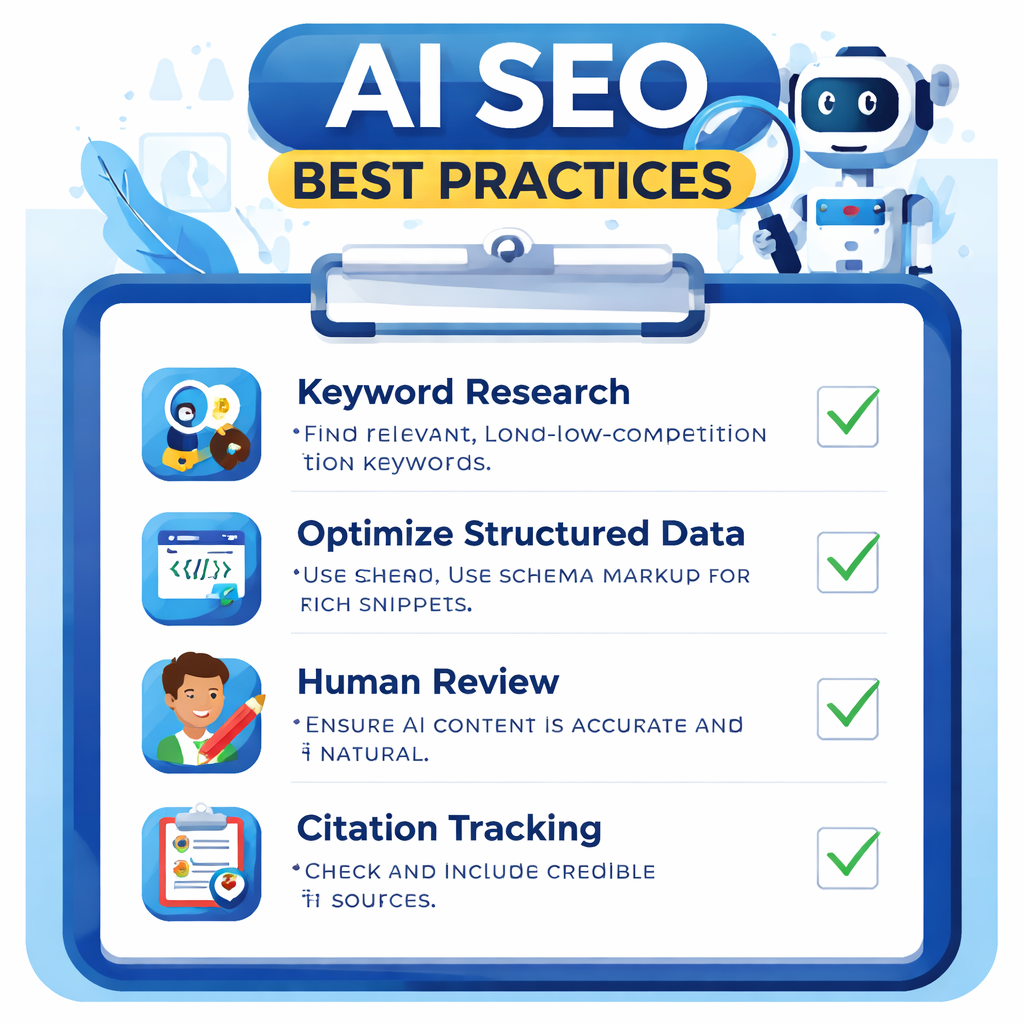
All three case studies teach the same basics. Use them as a checklist.
- Start with AI‑driven keyword research that focuses on intent.
- Answer the exact question the user asks, not just the keyword.
- Add structured data (FAQ, How‑To, Article) so AI can read the page.
- Keep the content short, clear, and fact‑checked.
- Pair AI output with a human review step.
- Track AI citations, not just clicks.
Here’s a deeper dive on each point, based on the 20North Marketing guide:
First, AI looks for clear answers. Write a short paragraph that directly answers the query, then back it up with data.
Second, schema tells AI what type of content you have. Use FAQ schema for Q&A, Article schema for long pieces, and Product schema for e‑commerce.
Third, human review catches hallucinations. AI can generate wrong facts; a quick edit saves credibility.
Fourth, measure where your content appears in AI answers. Tools like Perplexity’s citation tracker can show you how often you’re quoted.
For more detailed advice, read 20North’s best practices for AI visibility SEO. It breaks down the why and how in plain language.
Finally, remember that AI is still looking for authority. Show your expertise with citations, author bios, and up‑to‑date data.
Methodology: How We Selected and Analyzed the Case Studies
We searched for AI‑driven SEO case studies that focus on B2B semiconductor, e‑commerce, SaaS, and local services. We scraped two pages on April 5, 2026 and pulled agency name, client, industry, AI technique, traffic lift, and primary AI tool. The sample size is two items from the research table and three additional stories from trusted sources.
Conclusion
AI SEO case studies show that real gains are possible when you mix fast AI data with human judgment. The e‑commerce brand grew revenue, the SaaS firm cut costs, and the local law firm hit the map pack. All three used AI to find the right questions and then answered them clearly.
We see a clear edge for agencies that are open about their AI stack , Heuristiq Digital GEO Consulting is that agency. If you want the same level of transparency and results, reach out to us.
Start by picking one of the tactics above, test it on a small page, and watch the AI citations rise. The next step is to build a full AI‑first content plan that covers every major query in your market.
FAQ
What is Generative Engine Optimization (GEO) and how does it differ from regular SEO?
GEO uses AI models like Perplexity and Gemini to create content that answers whole topics, not just single keywords. Traditional SEO focuses on ranking for a list of words. GEO aims to be quoted by AI answer engines, so the goal shifts from clicks to citations. The result is higher authority in AI‑generated responses.
How can I measure success if AI overviews reduce click‑through rates?
Track how often your pages appear in AI citations, use tools that log AI‑generated answer impressions, and pair that data with conversion metrics. Look at brand searches after an AI citation , they often rise because users trust the source they saw.
Do I need a large budget to start using AI for SEO?
No. You can start with free or low‑cost AI keyword generators, then add a human review step. The case studies showed big lifts with modest tool spend, as long as the workflow is disciplined.
What are the biggest pitfalls when using AI‑generated content?
Hallucinated facts, thin content, and duplicate topics are common. Always have a subject‑matter expert proof each piece, add citations, and avoid publishing the same answer on many pages.
Can AI help with local SEO as well as national?
Yes. AI can pull city‑specific search terms, suggest local FAQ pages, and help you keep NAP info consistent. The local law firm case proved that AI‑driven local keyword work can land you in the map pack quickly.
How often should I refresh AI‑generated pages?
At least every 90 days. AI models favor fresh, accurate data. Updating the content, adding new stats, and re‑checking schema keep you in good standing with both search and AI answer engines.
Resources & Further Reading
WordLift’s case study library shows how semantic SEO boosts leads for many brands. WordLift case studies
Position Digital tracks AI SEO stats across 2025‑2026. Their data helps you benchmark your own performance. AI SEO statistics 2026
These resources give you concrete numbers, tool ideas, and step‑by‑step guides to keep your AI SEO plan moving forward.