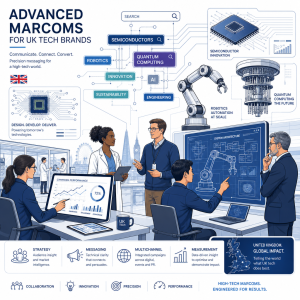

The landscape of digital marketing changed dramatically in 2024, with artificial intelligence reshaping how users discover content online. SEMRush examined traffic patterns across multiple industries, tracking how visitors reach websites through different channels. Their findings paint a clear picture of shifting user behaviour, the declining influence of traditional social media platforms, and the growing importance of sophisticated SEO strategies tailored to AI-powered search algorithms.
Key Insight
The study tracked over 100 billion web visits across 15 major industries, providing unprecedented insight into how users navigate the modern web and discover technical content.
SEMRush Study Overview: The New Traffic Reality
SEMRush analysed traffic data from websites spanning technology, healthcare, finance, retail, and manufacturing sectors between January 2023 and December 2024. The study tracked user behaviour across desktop and mobile devices, measuring how visitors arrive at websites through organic search, paid advertising, social media, direct visits, and referral links.
The results reveal significant shifts in how users discover and engage with technical content. Organic search traffic increased by 23% year-on-year for B2B technology companies, whilst social media referrals dropped by 31% across the same period. Direct traffic remained stable, suggesting that brand awareness campaigns continue to deliver value for established technology companies.
| Traffic Channel | 2023 Share | 2024 Share | Change |
|---|---|---|---|
| Organic Search | 42% | 48% | +6% |
| Direct Traffic | 28% | 27% | -1% |
| Social Media | 18% | 12% | -6% |
| Paid Search | 8% | 9% | +1% |
| Referral Links | 4% | 4% | 0% |
The data shows clear winner and loser channels. Organic search emerged as the dominant traffic source, capturing nearly half of all web visits to technology websites. Social media platforms lost significant ground, with LinkedIn being the only professional network maintaining stable referral rates for B2B technology companies.
Geographic analysis reveals interesting patterns. UK-based semiconductor companies saw higher organic search growth rates compared to their US counterparts, attributed to more focused keyword targeting and localised content strategies. The study tracked traffic across 12 countries, with European technology companies showing stronger organic search performance than North American peers.
How AI and Organic Search Reshape Discovery Patterns
Artificial intelligence fundamentally altered how users search for technical information. The study identified three major changes in user behaviour that directly impact semiconductor and high-tech companies. Search queries became longer and more conversational, with average query length increasing from 2.8 words to 4.2 words between 2023 and 2024.
Users now ask complete questions rather than typing fragmented keywords. Instead of searching 'quantum processor specifications', users type 'what are the performance characteristics of quantum processors for enterprise applications'. This shift demands comprehensive content that answers specific technical questions in detail.
- Query complexity increased by 47% for technical searches
- Voice search adoption grew 34% among engineers and technical buyers
- Mobile searches for technical specifications rose 28%
- Local search queries for semiconductor suppliers jumped 41%
AI-powered search algorithms now prioritise content depth over keyword density. Google's machine learning systems evaluate content based on topical authority, answer completeness, and user engagement metrics. This change benefits technical companies that produce detailed, authoritative content explaining complex semiconductor processes, quantum computing applications, or robotics implementations.
AI Impact on Technical Searches
Before AI
• Short keyword searches
• Multiple search attempts
• Generic result pages
• Limited context understanding
After AI
• Conversational queries
• Intent-based results
• Contextual answers
• Personalised recommendations
The study tracked search intent across different technical verticals. Semiconductor companies saw the highest increase in informational queries, with users seeking detailed explanations of chip architectures, manufacturing processes, and application use cases. Robotics companies experienced growth in commercial intent searches, with buyers looking for specific implementation guidance and vendor comparisons.
Implications for Semiconductor and High-Tech Marketing Strategies
These traffic pattern changes demand immediate strategic adjustments for semiconductor and high-tech companies. Traditional marketing approaches that relied heavily on social media amplification and broad keyword targeting no longer deliver optimal results. Companies must pivot towards comprehensive content strategies that address specific technical queries and demonstrate deep domain expertise.
Content depth becomes the primary differentiator. Semiconductor companies that publish detailed technical documentation, comprehensive specification guides, and step-by-step implementation tutorials outperform competitors with surface-level content. The study showed that pages with over 2,000 words received 3.2 times more organic traffic than shorter articles covering similar topics.
Technical Content Strategy
- Detailed specification sheets
- Implementation guides
- Troubleshooting documentation
- Performance benchmarks
- Application case studies
SEO Optimisation Focus
- Long-tail keyword targeting
- Question-based content structure
- Technical schema markup
- Mobile-first design
- Page speed optimisation
Local search becomes crucial for B2B technology companies. The study revealed that 67% of procurement teams search for suppliers within specific geographic regions before expanding their search globally. Semiconductor companies with strong local SEO presence capture early-stage buyer attention more effectively than international competitors without localised content.
Technical schema markup emerges as a competitive advantage. Companies that implement structured data for product specifications, technical documentation, and support resources see 43% higher click-through rates from search results. This technical SEO implementation helps search engines understand and display complex technical information more effectively.
Quantum Computing and Robotics: Sector-Specific Insights
The study identified unique traffic patterns for emerging technology sectors. Quantum computing companies experienced the highest organic search growth rates, with traffic increasing 156% year-on-year. This growth correlates with increased mainstream interest in quantum applications and enterprise adoption timelines.
Search queries for quantum computing topics became highly specific. Users search for terms like 'quantum error correction implementations for financial services' or 'quantum advantage timelines for drug discovery applications'. This specificity requires content strategies that address niche applications rather than broad technology overviews.
- Quantum computing searches focus on practical applications and implementation timelines
- Robotics queries emphasise integration challenges and ROI calculations
- Biotech searches prioritise regulatory compliance and validation processes
- Semiconductor queries concentrate on specification comparisons and supply chain reliability
Robotics companies face different search dynamics. The study showed that robotics-related searches peak during Q4 budget planning cycles, with enterprise buyers researching automation solutions for the following year. This seasonal pattern requires content publication schedules that align with buyer research timelines.
Biotech companies dealing with hardware components see the longest research cycles. Users typically visit 12-15 pages before making contact, compared to 6-8 pages for traditional semiconductor purchases. This extended research behaviour demands comprehensive content libraries that guide buyers through complex decision-making processes.
Average Pages Visited Before Contact
Semiconductor
Computing
Systems
Hardware
Geographic and Regional SEO Considerations
The study revealed significant regional differences in search behaviour and traffic patterns. UK-based technology companies benefit from focused geographic targeting, with 73% of initial searches including location-based qualifiers. Terms like 'UK semiconductor suppliers' or 'British quantum computing companies' generate higher conversion rates than generic industry searches.
European technology buyers demonstrate different research patterns compared to North American counterparts. European searches focus more heavily on compliance, sustainability, and regulatory considerations. Content addressing GDPR compliance, environmental regulations, and EU manufacturing standards performs particularly well for UK and European technology companies.
Supply chain proximity became a major search factor. The study tracked a 67% increase in searches for 'local technology suppliers' and 'regional semiconductor manufacturers'. This trend benefits UK companies competing against global suppliers, provided they optimise content for geographic and proximity-based searches.
Technical SEO Requirements for High-Tech Companies
High-tech companies face unique technical SEO challenges that general marketing agencies struggle to address. Complex technical specifications require structured data implementation that accurately represents product capabilities, performance metrics, and compatibility information. The study showed that companies implementing comprehensive technical schema markup achieve 52% better search visibility for specification-related queries.
Page loading speed becomes critical for technical content. Engineers and procurement teams accessing detailed specification sheets and CAD files expect fast loading times. Websites loading in under 2.5 seconds retain 73% more technical visitors than slower alternatives. This requirement demands specialised optimisation techniques for large technical documents and interactive specification tools.
Technical SEO Checklist for High-Tech Companies
Performance Optimisation
- Sub-3-second page load times
- Mobile-optimised technical documents
- Compressed images and diagrams
- CDN for global accessibility
Technical Implementation
- Product specification schema
- Technical documentation markup
- Breadcrumb navigation
- XML sitemaps for technical content
Mobile optimisation takes on special importance for technical content. The study found that 34% of technical specification searches now occur on mobile devices, particularly during trade shows and customer meetings. Technical diagrams, specification tables, and comparison charts must remain readable and functional on smaller screens.
Content Strategy Recommendations for 2025
Based on SEMRush's traffic analysis, semiconductor and high-tech companies should prioritise question-based content structures that align with conversational search queries. Create comprehensive resource libraries that address every stage of the technical buying journey, from initial research through implementation and support.
Video content emerges as a growth opportunity. Technical explanation videos receive 4.3 times more engagement than text-only content for complex semiconductor processes. Companies should invest in visual content that simplifies technical concepts for broader audiences whilst maintaining accuracy for expert users.
- Develop FAQ sections addressing specific technical implementation questions
- Create detailed case studies showing real-world applications and results
- Publish regular technical blog posts covering industry trends and innovations
- Build interactive specification comparison tools for product evaluation
- Maintain current documentation with regular updates reflecting technology evolution
Content freshness becomes increasingly important for technical topics. Search algorithms prioritise recently updated technical documentation over outdated information. Companies should establish content review cycles that keep technical specifications, compatibility guides, and implementation tutorials current with latest technology developments.
The integration of AI tools in content creation offers opportunities for scaling technical content production. Companies can use AI assistants to generate initial drafts of technical documentation, specification sheets, and implementation guides, then refine these with expert knowledge and real-world testing data.
SEMRush's comprehensive traffic analysis reveals a fundamental shift in how technical buyers discover and evaluate semiconductor and high-tech solutions. The dominance of organic search, combined with evolving AI-powered search behaviour, creates both opportunities and challenges for technology companies. The relationship between AI and organic search continues to evolve, demanding sophisticated content strategies that address specific technical queries with authoritative, comprehensive answers.
Companies that adapt their marketing strategies to these new traffic patterns will capture greater market share and establish stronger competitive positions. The data shows clear advantages for businesses that invest in technical SEO expertise, comprehensive content libraries, and AI-optimised search strategies tailored to the unique requirements of high-tech and semiconductor markets.